
 Global connections
 Research & archive






Historical material. Dates, proposals and invitations refer to the time of the original publication.
Two meetings: international and local priorities
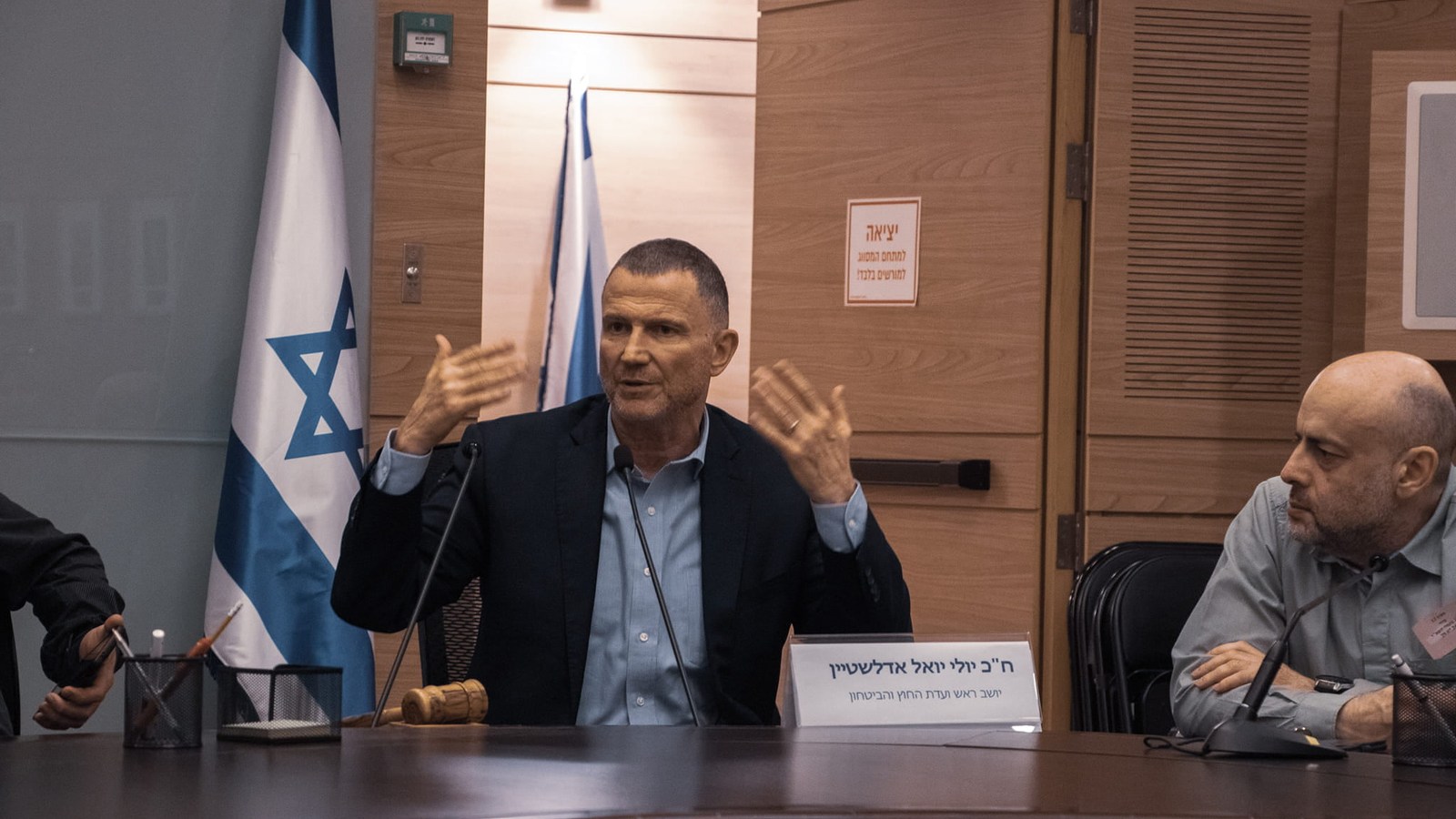
Yuli Edelstein
Security, civil society, the center’s research and Israel’s geopolitical position.
Amit Halevi
Local communities, recognition of district councils and elements of a majoritarian electoral system.
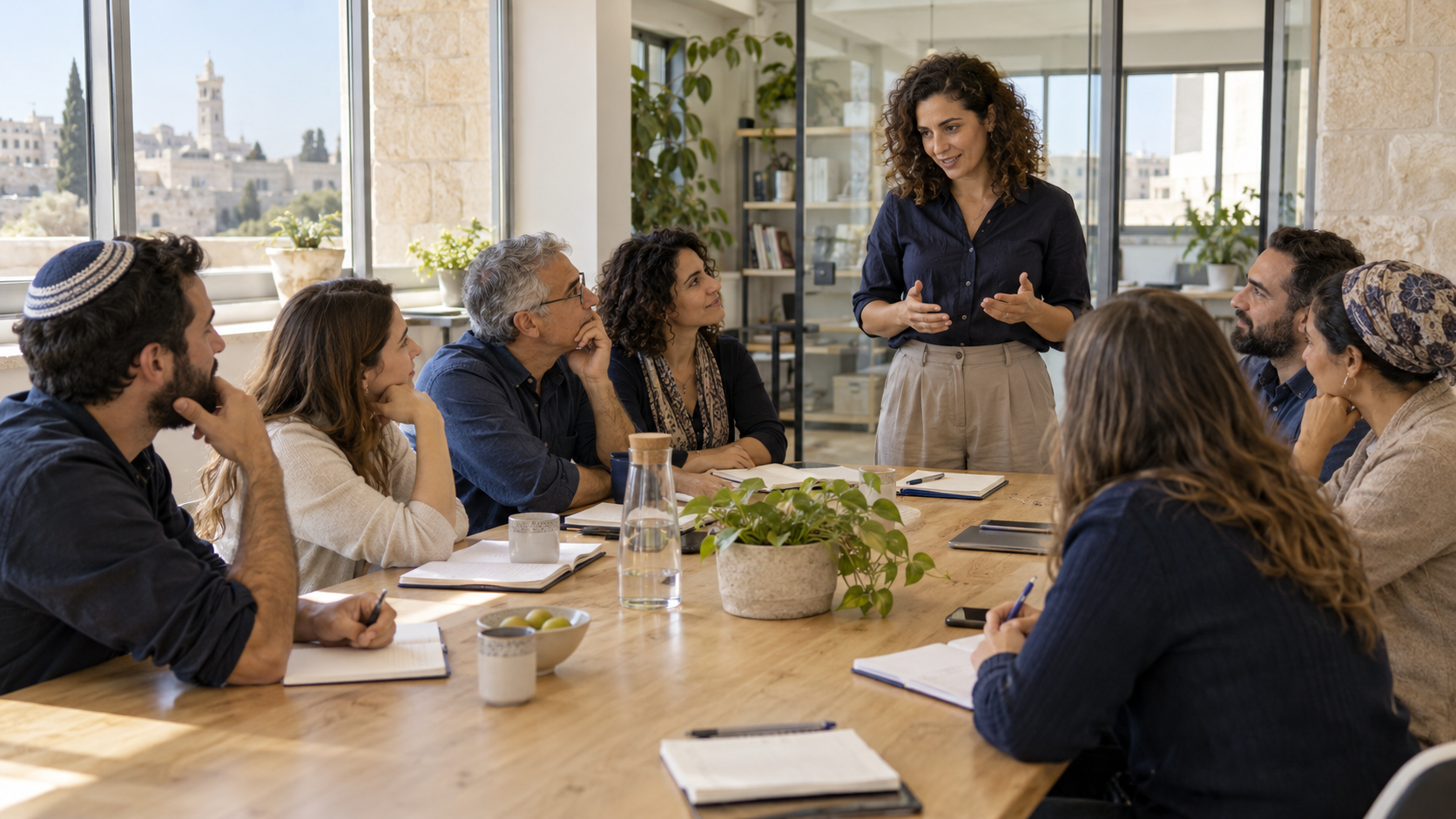
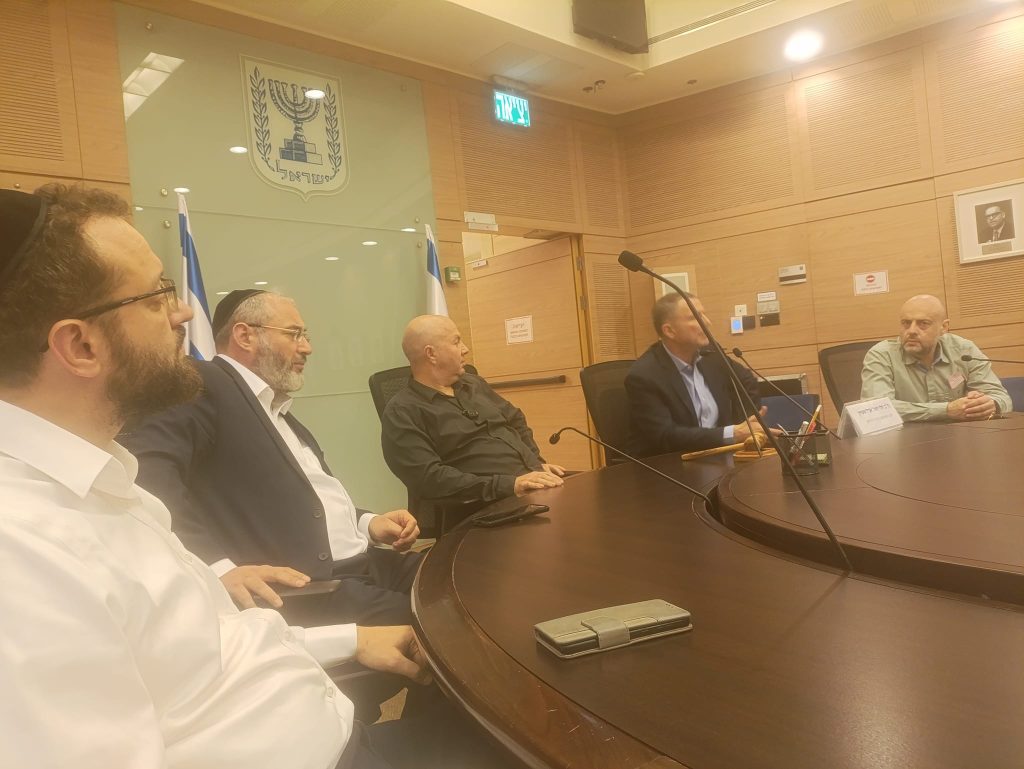
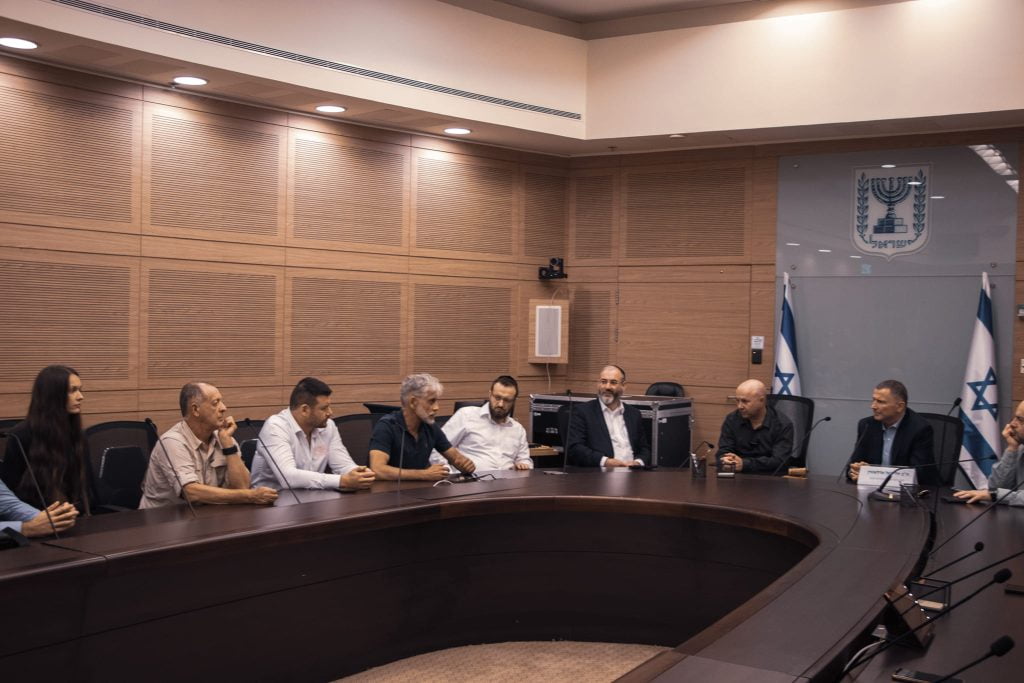
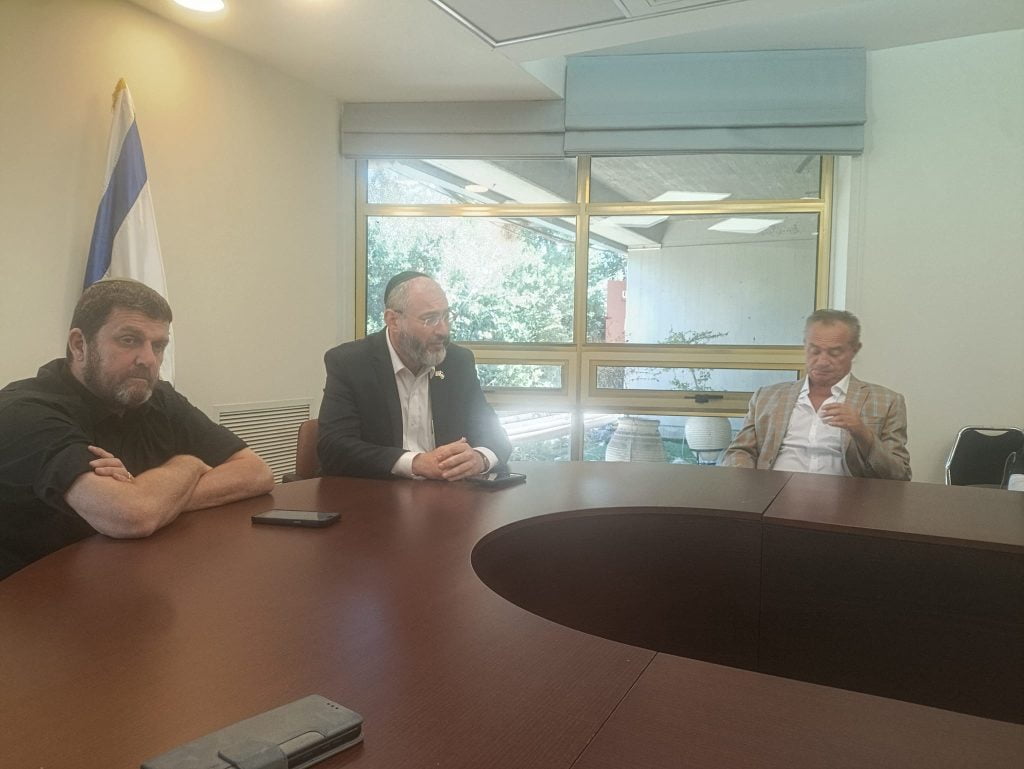
On July 29, 2024, representatives of the Dor Moria think tank and civil society activists held a series of important meetings with Knesset members. These meetings were dedicated to discussing key issues of security, foreign policy, and internal development of Israel.
Meeting with Yuli Edelstein
Yuli Edelstein, a Knesset member from the Likud party and Chairman of the Foreign Affairs and Defense Committee, met with activists to discuss a range of pressing issues.
New security challenges
Edelstein stated that Israel faces the necessity of waging war on seven fronts simultaneously, reflecting a new reality for the country.
Geopolitical situation in Europe
It was noted that radical right-wing parties that have come to power in Europe are not true friends of Israel, despite their anti-Muslim rhetoric.
Civil society issues
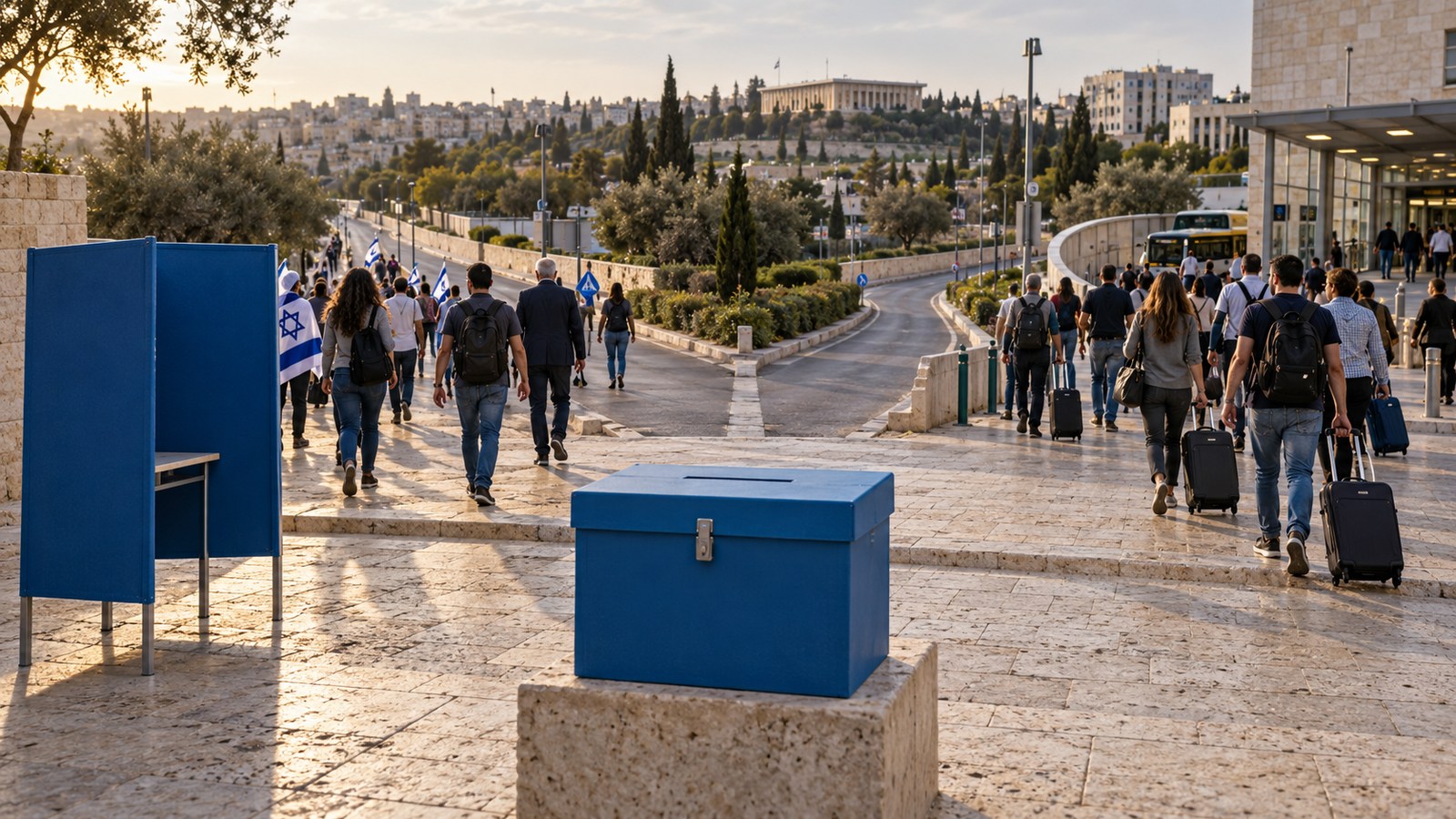
Dor Moria experts raised the question of risks associated with using civil society as a tool for controlled chaos.
The tendency to substitute representative democracy with plebiscitary democracy and attempts to overthrow legally elected government «in the name of the street» were discussed.
Dor Moria research
Results of the study «Maidan Technologies for Judicial Reform» were presented, confirming the thesis about the application of controlled chaos technologies in Israel.
Israel’s geopolitical positioning
Israel’s position between the Collective West and the Global South was discussed.
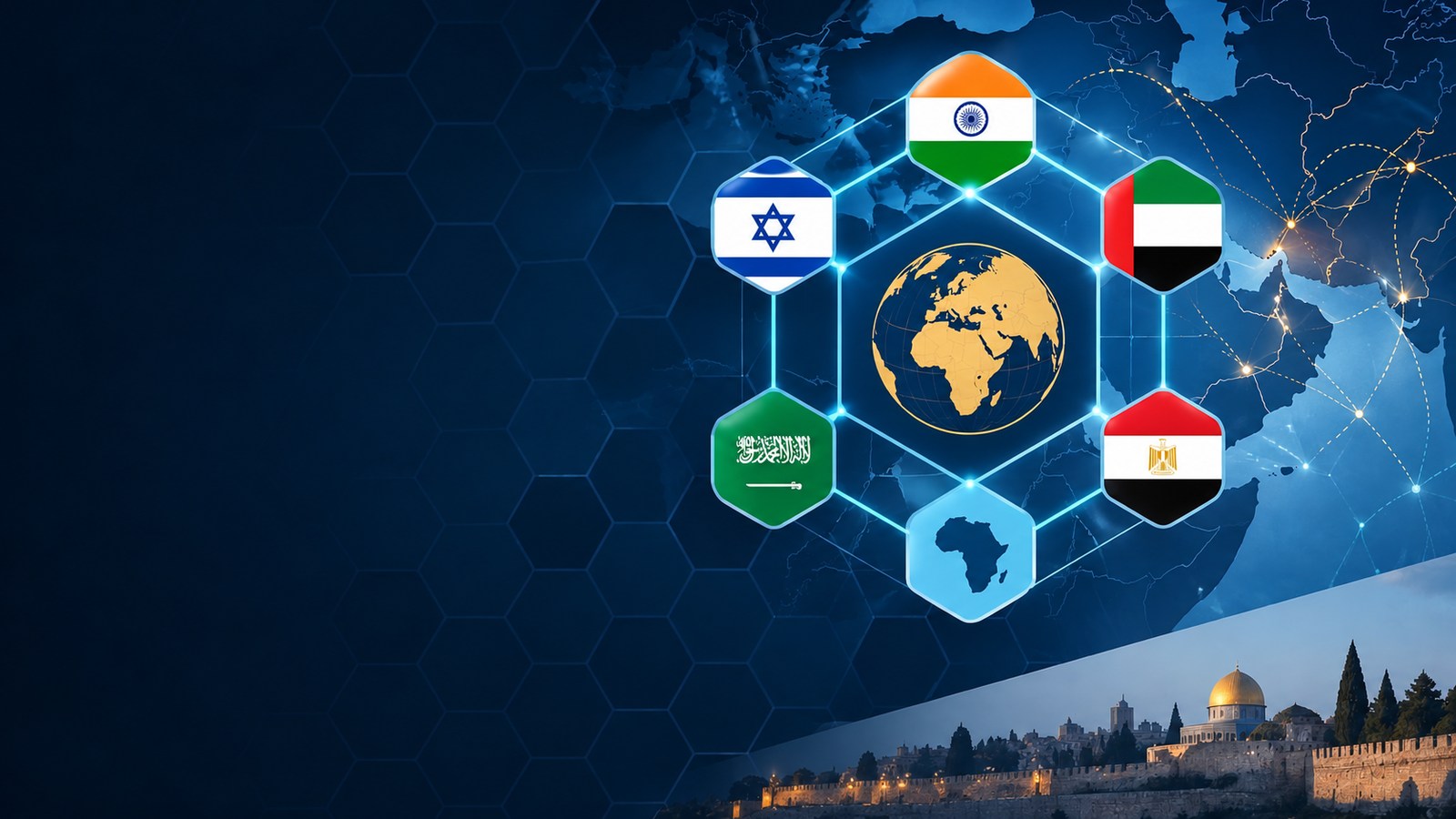
The idea of creating an Abrahamic bloc under the aegis of the USA was considered.
Results of the study «Israel between the Collective West and the Global South» were presented, showing that about 70% of Israelis support neutrality and a selective approach in relations with both blocs.
Economic strategy
Participants emphasized the importance of maintaining neutrality while expanding economic relations with BRICS countries, including the UAE, a party to the Abraham Accords.
Meeting with Amit Halevi
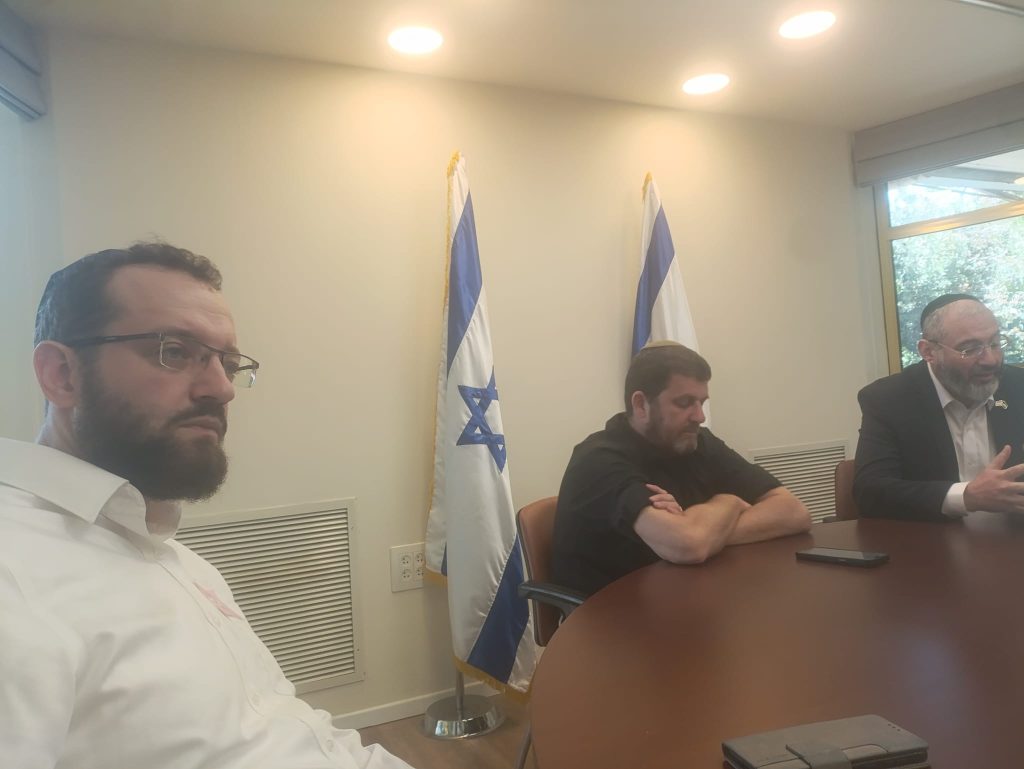
On the same day, a meeting was held with Knesset member Amit Halevi from the Likud party.
Legislative initiative
The promotion of a law on legalizing district councils in Israeli cities was discussed.
The creation of a parliamentary lobby on this issue was initiated.
Electoral system reform
Dor Moria actively promotes the idea of introducing elements of a majoritarian electoral system at the local level.
The goal is gradual integration of these elements into Israel’s proportional electoral system.
Conclusion
The meetings between experts from the Dor Moria think tank and Knesset members demonstrated a serious interest in discussing strategic issues related to Israel’s security, foreign policy, and internal development.
The presented research and proposed initiatives found resonance with legislative representatives, highlighting the importance of continuing dialogue and joint work on implementing the outlined goals.
In the near future, it can be expected that these discussions will contribute to the formation of a more sustainable and balanced policy that meets the challenges of the time.