
 Global connections
 Research & archive







Historical material. Dates, proposals and invitations refer to the time of the original publication.
Israel is one of the key actors in the Middle East. Its strategy and policies towards conflicts, especially in Gaza, have a significant impact. The situation in Israel affects more than regional stability. The conflict between Israel and Palestine, with Gaza becoming one of its main flashpoints, calls for careful analysis of Israeli strategy and its consequences for peace. This article examines the main directions and motives of Israeli policy in Gaza and assesses its impact on international relations.
Analysis of Israel’s strategy in Gaza
Over recent decades, Israeli strategy in Gaza has focused on ensuring security, protecting its borders and neutralising the threat posed by Hamas and other armed groups. This has led to a series of military operations and a blockade policy intended to weaken the adversary’s military capabilities and reduce opportunities for smuggling weapons into the territory.
The pursuit of tactical dominance over opposing forces in Gaza allows Israel to minimise the risk of direct attacks on its territory. Counterterrorism principles and intelligence operations remain priorities, as reflected in the development and use of advanced technologies such as Iron Dome, designed to intercept rockets and artillery fire.
The proportionality of force is disputed in the context of Israeli military operations in Gaza. Critics point to extensive destruction and Palestinian civilian casualties resulting from these operations. Discussion of the prospects for long-term peace is constrained not only by the political situation but also by the need to consider Israeli public opinion, which remains convinced that such actions are justified to guarantee security.
To ensure long-term strategic stability, Israel is working to isolate Hamas, strengthen its relations with other Arab states and reduce the effectiveness of international pro-Palestinian campaigns such as the Boycott, Divestment, Sanctions (BDS) movement.
However, Israeli actions in Gaza generate numerous international disputes and criticism. UN resolutions and statements, criticism from human rights organisations and protests around the world show that this approach faces strong condemnation and raises global concern.
The impact of Israeli policy on the world stage
Through its consequences, Israeli policy in Gaza has a significant impact on international relations. The diplomatic effort to secure support from other countries, especially the United States and some European states, often encounters a lack of understanding in the international community.
Key geopolitical alliances, including participation in policies directed against Iran, further strengthen Israel’s regional position and broaden its diplomatic influence. The adoption by certain Arab countries, such as the UAE and Bahrain, of policies normalising relations with Israel is helping to change regional dynamics.
Yet this approach also draws criticism: Israeli actions in Gaza face sharp condemnation from countries and organisations supporting the Palestinian side. This strains relations with some states and intensifies anti-Israeli sentiment.
Israel’s position also affects the domestic and foreign policies of other countries. During military operations, support for or condemnation of Israeli actions can become part of political platforms and lead to changes in states’ foreign-policy direction, with repercussions throughout the international system.
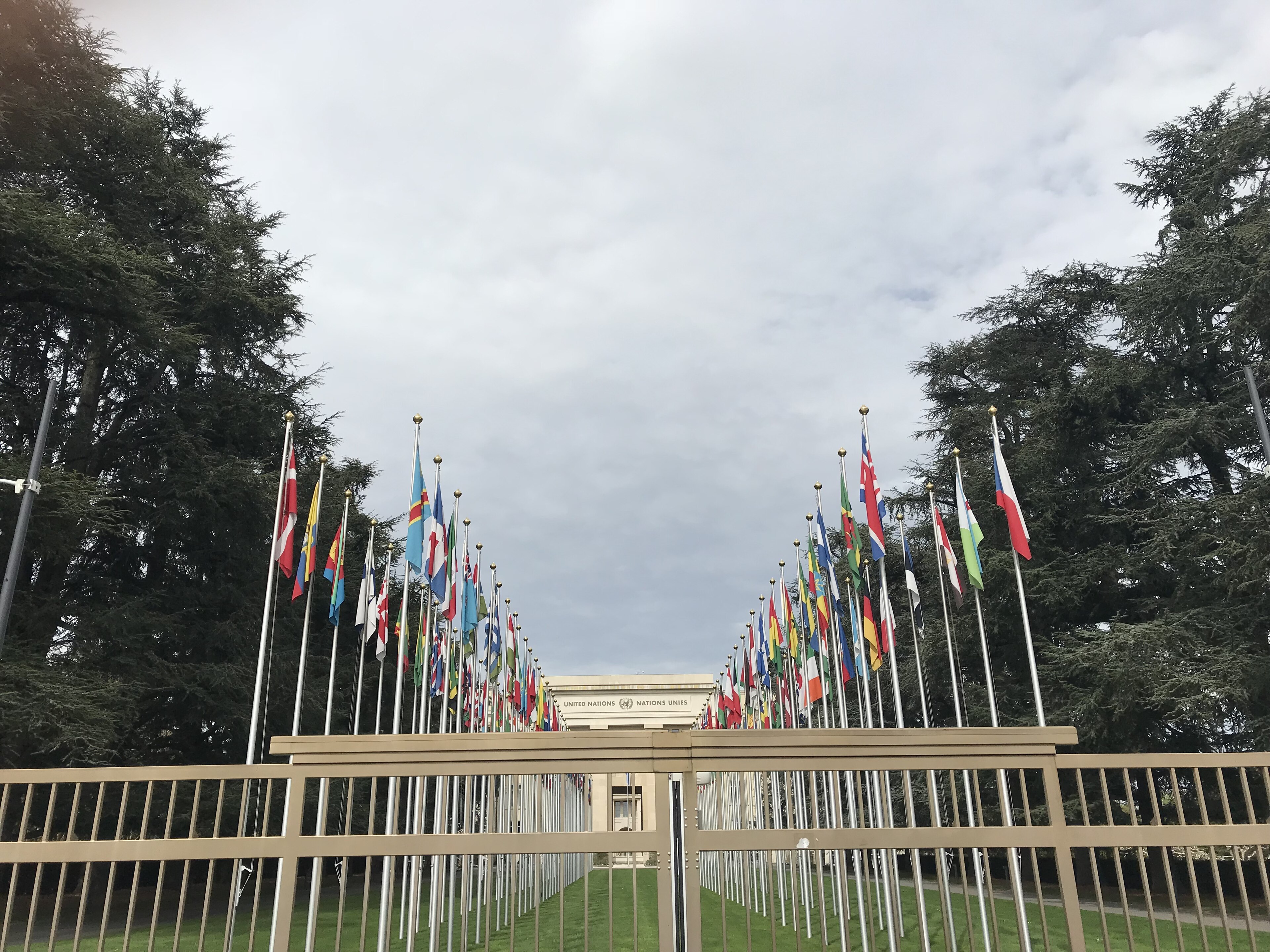
The complexity of international law and the moral dilemmas surrounding the use of military force make Israeli policy a subject of continuing debate at the UN and other international organisations.